Challenge
The challenge was triaging a high-volume shared inbox across fifteen funds, so that each message reached the right team without a person from every fund reading all of it.
 BOOK
BOOKCase Study
An AI system that monitored a shared inbox across fifteen funds, forwarded each message to the right fund team, escalated the uncertain cases to a person, and tracked whether inquiries were answered against an SLA.
AI Workflows · Email Routing · Operations Tooling · Document Understanding
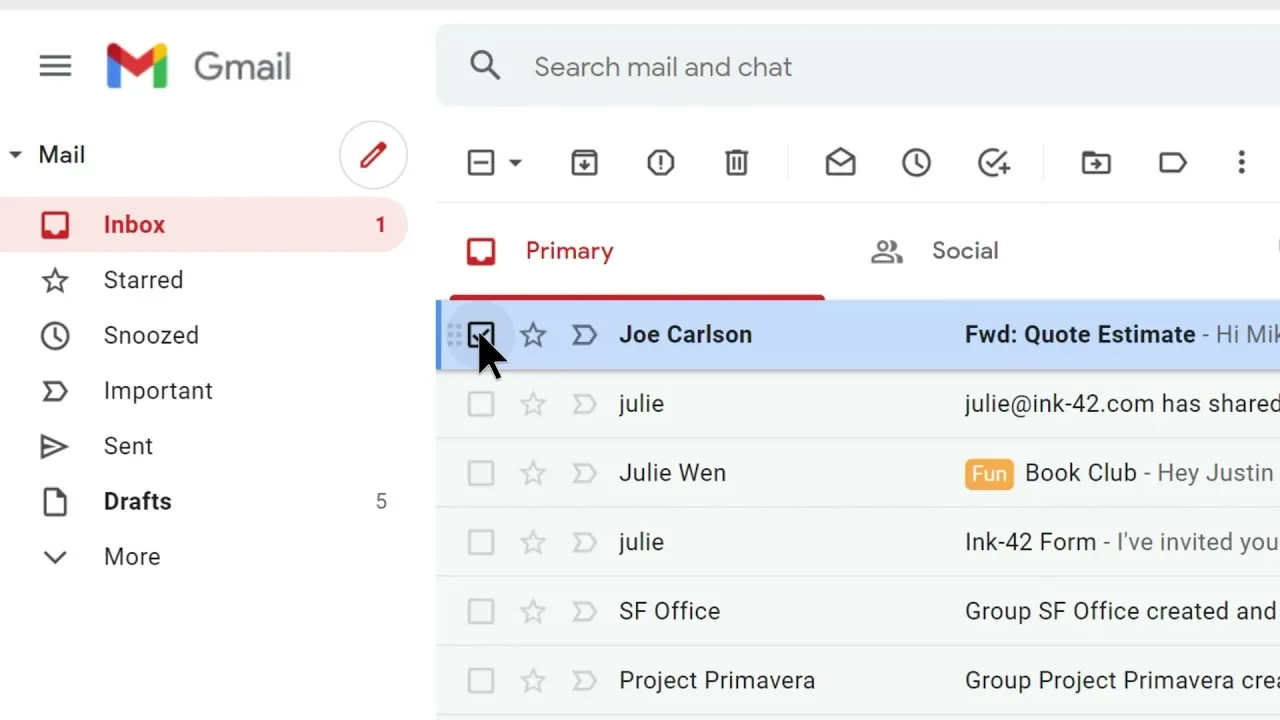
The challenge was triaging a high-volume shared inbox across fifteen funds, so that each message reached the right team without a person from every fund reading all of it.
An AI router read each email along with its attachments and thread, grouped messages into conversations, forwarded them to the correct fund, alerted a person whenever it was unsure, and tracked which questions had been answered against an SLA.
Average time to a substantive answer fell from an estimated week and a half to about 48 hours, triage cost dropped from about $1.35 million a year to under $100,000, and 98% of email was routed automatically.
The client was a large private equity firm with more than 9,000 employees, running fifteen funds. Inquiries and communications directed at specific funds all arrived in one shared inbox, regardless of which fund they concerned.
The firm received between 1,000 and 2,000 emails a day, each meant for one of fifteen funds. To properly route the emails, the firm assigned one person from each fund to watch the shared inbox and pull out the messages relevant to their fund. That was a complex and messy solution because the same email was read by many people before it could be routed.
A simple model could not tackle this problem because emails could contain relevant questions that were sometimes inside an attachment rather than in the message body. Other times, the topic would change as the email chain developed and the questions would shift from one fund to a different one.
There was also the challenge of tracking whether inquiries were answered, since a reply like "thank you for contacting us, our team will get back to you" did not count as a proper answer.
The system connected to the shared inbox through the Microsoft Graph API and read each email's metadata and content, including the sender, date, body, attachments, and the surrounding thread. It extracted text from attachments such as PDFs, spreadsheets, and documents, with an OCR fallback for scanned or image-only files, so questions inside an attachment were available to the router.
Messages were grouped into threads, and the router re-evaluated as new messages arrived, so a thread that moved between funds was reassigned.
A routing model read the combined content of each email and its thread and decided which fund it belonged to. When the model was confident, the email was forwarded to that fund's dedicated address and reached the team directly. When it was not confident, the system sent an alert to a person. Across the firm's traffic it routed on its own 98% of the time and escalated the remaining 2%, with routing accuracy of about 94%.
Alongside routing, the system tracked the questions in each thread and watched for answers. It pulled the open questions from incoming messages and their attachments, then classified later replies by whether they answered an open question or were a holding reply. Linking a reply to the question it answered let the system tell which threads were still open. It then timed each question from arrival to answer, tracked threads against an SLA, and aggregated response times and answer rates by fund for QA reporting.
Response time improved by roughly 5x. The average time to a substantive answer fell from an estimated week and a half under the manual process to about 48 hours. The system routed 98% of email to the correct fund on its own, with about 94% accuracy, so most messages reached the right desk without waiting for a person.
Triage cost fell by roughly 15x. Manually routing incoming fund inquiries cost about $1.35 million a year across the fifteen people assigned to it. With the system routing automatically, that dropped to under $100,000.
Every thread was also tracked against an SLA, which gave the firm a continuous view of which inquiries had been answered and which remained open.